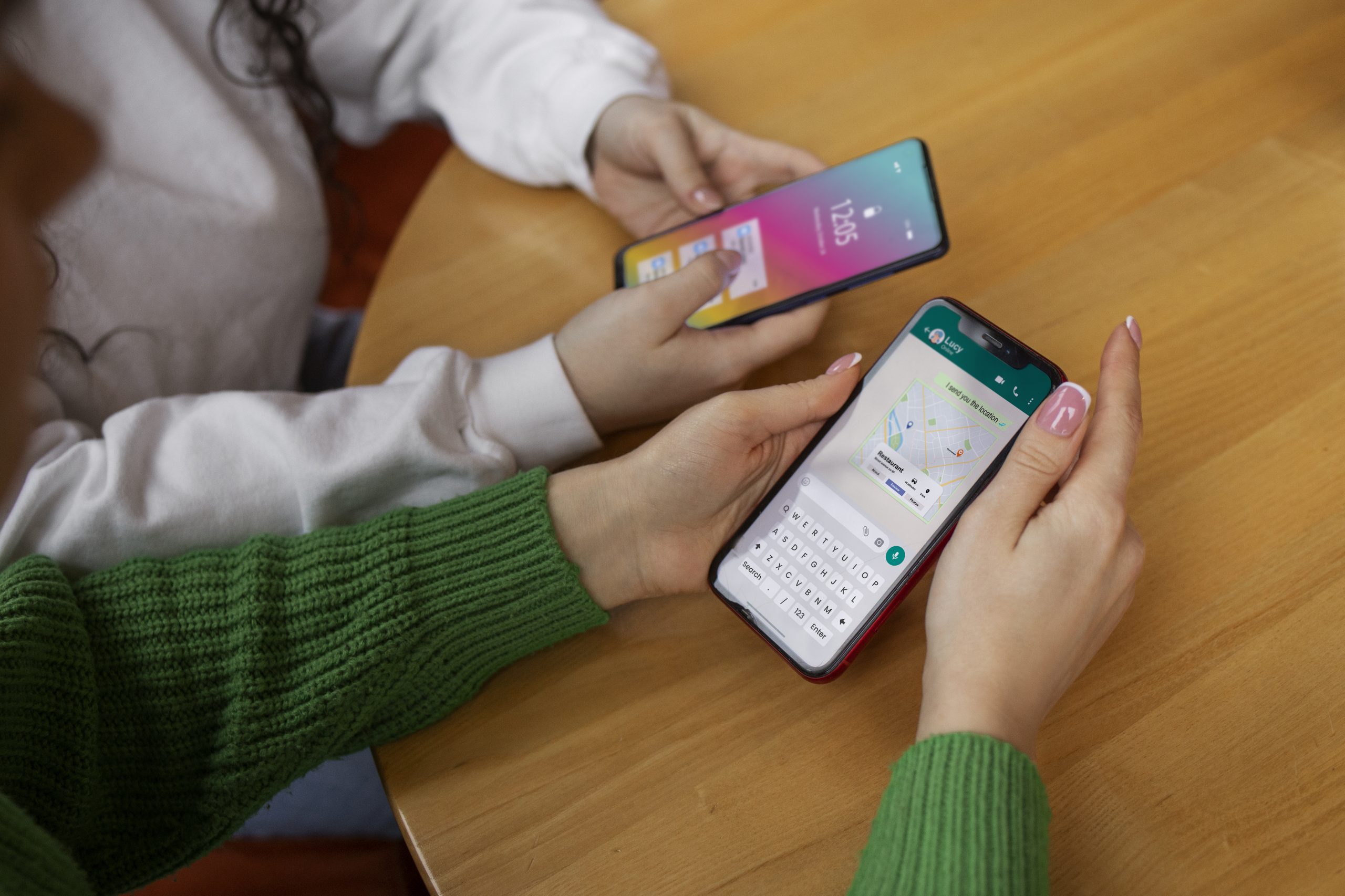
Today, technology is omnipresent in our lives, whether in our personal or professional spaces. We must live with our times — the era of innovation, new technologies, artificial intelligence, and digitalization. These advances are the source of numerous benefits. Indeed, human work is facilitated by these digital tools that reduce workload and costs, making them profitable in the long term. Today, new technologies in the hospitality industry are a pillar for managing and improving guest relations.
How to Effectively Integrate These New Tools into Hotels?
A New Era for Hospitality
In the hospitality industry, new technologies enable the delivery of new experiences to guests. Given their evolving expectations, hoteliers have every interest in integrating digital solutions within their establishment to build guest loyalty. Moreover, a hotel equipped with new technological tools increases its potential to attract numerous guests. Indeed, they will travel specifically for this unique experience.
Guests now expect to live new experiences. It is a real asset for hotels to offer them a “high-tech” experience. In the face of increased competition in this sector, attracting and retaining guests has never been more important.
In addition to enhancing the guest experience and stay, taking into account and integrating new technologies in hotels significantly reduces employee workload. Technology allows for the automation of certain repetitive tasks — tasks like communicating basic information to guests, handling check-in and check-out, service reservations… As a result, employee workload is lightened. Combining staff and new technologies is a winning solution for hotels, which will have positive repercussions on revenue.
A Progressive Transition
Progressive adaptation to change is an essential element for the success of the transition to new technologies. Indeed, hotel team members must have the ability to adapt and accept change. This integration should happen step by step, communicating with employees to support them through this transition and understand how they manage this new way of working. Additionally, it will be necessary to stay informed about what competitors offer their guests in terms of new technologies to remain innovative and perfectly adapt to change.
Finally, it is important to collect guest feedback after integrating these new tools. Indeed, although guests are increasingly attracted to new technologies, it will be necessary to ensure proper adoption of these new tools and their level of satisfaction with the new services offered.
Technology at the Service of People
Often, technology and innovation are associated with a loss of human relationships and the digitalization of interactions. However, technology should not be seen as a substitute for humans but rather as serving them. Integrating new technologies within a hotel means offering real added value to staff. Indeed, they will have the freedom to focus precisely on the human element. Gone are the days of transmitting basic information — staff now position themselves more as advisors and rediscover the true heart of their profession: welcoming the guest, guiding them during their stay, and listening to meet their needs. Technology will handle all the tasks that ultimately do not add much to the relationship between the guest and hotel staff.
By giving greater importance to technologies to offer premium service to your guests, you also ensure excellent feedback through their online reviews. Moreover, these reviews are far from negligible. Indeed, “88% of internet users consult online reviews before finalizing a reservation” according to an Expedia study. Also, 72% of respondents are more sensitive to a hotel’s rating than its brand.
Guest Demand for Technology
Following a demand study conducted with a representative sample of 2,038 people among hotel guests in France, the finding is clear: there are real expectations regarding the implementation of digital tools facilitating exchanges and reservations in hotels.
Thus, people spending between 1 and 14 nights per year at hotels want to have at their disposal a tool that allows them to more easily book hotel services and nearby activities.
Moreover, a significant portion of respondents explain that, due to fear or lack of time, they do not approach the hotel front desk directly when they encounter a minor problem during their stay. However, they explain that they would be more willing to report issues directly via their smartphone to save time.
Indeed, the consequence today remains negative reviews, published by some guests at the end of their stay, even though these problems could have been easily resolved during the stay. Furthermore, some do not even report the problem encountered and simply prefer not to return to the same establishment on a future trip.
Improving the Guest Experience
From now on, hoteliers must take into account the rise of new technologies to improve the guest experience and also facilitate employees’ daily work. Guests are looking for more control and autonomy; they want to live different experiences that go beyond the simple comfort of the hotel. Indeed, a hotel stay should be a special moment, an unforgettable moment, and technology contributes to this. More than technological tools, these are above all assistive tools that provide access to information and services that help make the stay unforgettable.
But these digital tools also help strengthen and complement each service offered by the hotel. Efficiency is the guiding principle. Guests want to avoid wasting time whether at arrival or departure, throughout their stay where they seek more authenticity. Utelys allows you to directly showcase your services within the hotel as well as offer activities outside your property. This way, guests have direct access to the catalog and are more autonomous in booking based on their own needs, which frees up time for your employees to focus on other matters — notably, more personal interaction with guests at reception and throughout their stay.
These solutions represent a first step toward integrating new technologies in hotels and respond to a growing demand from a significant portion of guests to see more innovation within hotels.