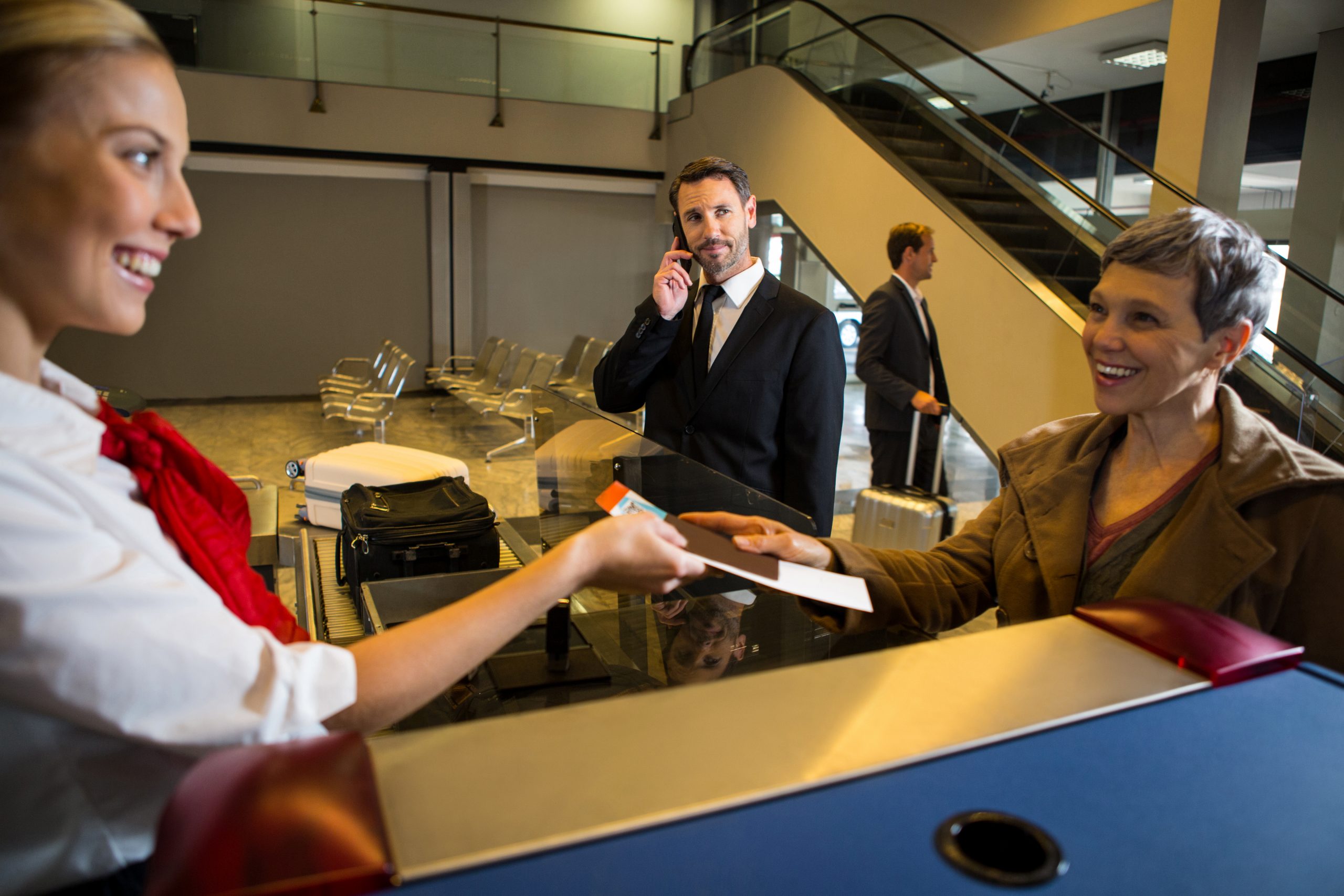
For hotel guests, the check-in and check-out processes are crucial moments that determine their overall experience. From the first impression at check-in to the final farewell, efficient and seamless service during these moments can improve satisfaction, foster loyalty, and even encourage positive reviews. However, endless queues, unclear instructions, and limited flexibility can lead to frustration and tarnish an otherwise pleasant stay.
In recent years, many hotels have adopted modern solutions to meet guest expectations for convenience and autonomy. Self-service kiosks, contactless check-in options, and automated pre-arrival or pre-departure communication are just a few of the strategies that have transformed the industry.
Here is why improving check-in and check-out is essential and how hotels can achieve it:
- Implement pre-arrival SMS/email notifications to streamline the guest journey
- Offer self-service kiosks for faster hotel check-in
- Send pre-departure reminders with options for easy check-out or extended stays
By focusing on guest-centered check-in and check-out experiences, hotels can stand out in a competitive market and build lasting guest loyalty.
Importance of a Smooth Hotel Check-In and Check-Out Process
The first and last impressions can make or break a guest’s experience at your hotel. The check-in process serves as the initial welcome and sets the tone for the entire stay, while check-out is the final interaction guests will remember. When both processes run smoothly, guests are more likely to leave satisfied, retain a positive memory of their stay, and even recommend your establishment to others. Conversely, any frustration at this level can lead to negative reviews, affecting both guest retention and your hotel’s reputation.
Why a Seamless Process Matters
Guests value efficiency and simplicity, especially when arriving from a long journey or preparing to depart. The key benefits of a well-organized check-in and check-out process include:
- Increased guest satisfaction from arrival to departure
- Higher likelihood of positive reviews, as guests appreciate a seamless experience
- Improved staff efficiency, allowing them to focus on other guest needs
Common Guest Frustrations with Hotel Check-In and Check-Out
To create a better experience, it is essential to address some of the most common pain points encountered by guests:
- Long wait times: Queues at the front desk can be discouraging, especially after a long journey. Guests appreciate fast, convenient service options like mobile check-in or express check-in.
- Excessive paperwork: Filling out forms at arrival or departure can be tedious. Reducing paperwork by digitizing these processes is a step toward greater efficiency.
- Unclear instructions: Guests can feel disoriented by unclear or inconsistent instructions, which can create frustration. Clear communication and signage regarding check-in and check-out options can improve their experience.
Key Components of an Efficient Check-In Process
A smooth check-in experience creates a positive first impression for guests, setting the stage for a pleasant stay. Here is a closer look at two essential elements of an efficient check-in process:
Standard Check-In Times and Flexibility
Most hotels set a standard check-in time, typically around 3:00 PM. This policy allows housekeeping time to prepare rooms after previous guests depart. However, guests often appreciate flexibility, such as early check-in options, especially if they arrive ahead of schedule. Offering early check-in when possible, even for an additional fee, can enhance guest satisfaction and convenience. Early check-in options can be communicated during booking or through pre-arrival emails, making it easy for guests to request this service.
Hotels that offer flexible check-in times benefit from:
- Increased guest satisfaction through personalized options
- Potential revenue increase by adding nominal fees for early access
- Better room management as guest arrival times become more predictable
Self-Service Kiosks and Contactless Options
Self-service kiosks and contactless check-in technologies have become valuable assets in modern hotels, particularly due to the growing guest preference for touchless options. These technologies reduce wait times at the front desk, improve guest autonomy, and enable faster, more streamlined service. With self-service kiosks, guests can quickly check in, receive their room keys, and access other useful functions without waiting in line.
Studies show that hotels equipped with self-service kiosks and mobile check-in options have seen notable improvements in guest satisfaction and operational efficiency. For example, a study by Hospitality Technology highlights that “hotels that adopted these technologies saw their satisfaction scores increase by 10%.”
By embracing self-service and contactless options, hotels can meet the expectations of today’s travelers while improving overall operational efficiency.
Tips for an Efficient Check-Out Process
A smooth and efficient check-out process ensures guests leave with a positive final impression, increasing the likelihood of repeat bookings and positive reviews. Here are some key strategies for optimizing the departure experience at any hotel.
Flexible Check-Out Options
The standard check-out time at most hotels is around 11:00 AM or noon, leaving enough time for housekeeping to prepare rooms for new guests. However, flexible check-out options can enhance the guest experience, especially for those with late travel plans or who simply want to enjoy their room a bit longer.
Late Check-Out and Express Check-Out
Late check-out allows guests to extend their stay by a few hours for a small fee or, in some cases, as a complimentary service for loyalty program members. Additionally, implementing an express check-out option can streamline the process for guests in a hurry. Express check-out allows guests to review their bills via an app or in-room television and confirm their departure without needing to visit the front desk.
Using Check-Out Software and Apps
Automated check-out software or hotel apps are valuable tools for streamlining the check-out process. Many modern systems allow guests to confirm charges, settle their bills, and receive an electronic receipt directly on their mobile devices. This reduces congestion at the front desk and allows guests to depart more conveniently and contactlessly.
Billing and Payment Clarity
Clear and transparent billing is essential for providing guests with a smooth and satisfying departure experience. Inaccuracies, unexpected charges, or unclear items can lead to confusion and delays. To avoid this, ensure that billing statements are comprehensive and detail all room charges, fees, and additional services the guest used during their stay.
Key Tips for Clear Billing and Payment:
- Provide detailed billing summaries: Guests appreciate transparency, so clearly itemize charges and use simple language.
- Offer multiple payment options: Digital wallets, credit/debit cards, and contactless payments improve convenience and speed.
- Send an email or SMS with the billing summary one day before check-out, allowing guests to review charges in advance and resolve any issues before departure.
Benefits of Pre-Check-In and Pre-Check-Out Communication
Implementing automated pre-arrival and pre-departure communication enhances the guest experience by providing crucial information, allowing guests to feel prepared and in control of their stay.
Enhancing the Guest Experience with Pre-Check-In SMS/Email
A pre-arrival SMS or email can be a game-changer for facilitating guest reception. These messages can include:
- Room status updates: Notify guests if their room is available for early check-in.
- Early check-in requests: Allow guests to request early access with a simple reply, often available for a small fee.
- Directions and local tips: Providing guests with links or directions to the hotel, as well as nearby attractions, can ease their journey and ensure a warm welcome.
Using TriggerFlow makes managing these touchpoints easy. This tool automates the sending of personalized SMS and email notifications so hotel staff can focus on creating a welcoming environment while ensuring guests receive timely information. Studies show that such pre-check-in communication increases guest autonomy and significantly reduces wait times at the front desk, with satisfaction scores rising when guests feel prepared upon arrival.
Facilitating Check-Out and Extending Stays with Pre-Check-Out Reminders
The day before departure, sending an SMS or email reminder simplifies the guest’s final steps and improves their comfort. This message can contain:
- Charge summary: Allowing guests to review their bill and avoid potential surprises at check-out.
- Express payment options: Including digital payment options for those who prefer a contactless experience.
- Stay extension offers: Offering the possibility to extend the stay if availability allows, generating additional revenue while adding value to the guest experience.
TriggerFlow automates these pre-departure notifications, ensuring timely and consistent communication that improves both guest satisfaction and operational efficiency. By simplifying these interactions, hotels can create a more seamless experience, encourage repeat visits, and leave guests with a lasting positive impression.
Staff Training and Guest Communication
Effective staff training and proactive guest communication are essential for creating a seamless check-in and check-out experience. By ensuring staff are well-prepared and guests feel informed, hotels can improve satisfaction, quickly resolve issues, and reduce delays at critical touchpoints.
Training Staff for Efficient Check-In and Check-Out Procedures
Front desk staff play a crucial role in setting the tone of the guest experience. Well-trained employees can efficiently handle check-in and check-out procedures, resolve issues on the spot, and provide guests with a welcoming and professional atmosphere. Essential training areas include:
- Clear communication skills: Staff should be able to explain policies and answer guest questions with clarity and confidence, ensuring guests have a positive start and end to their stay.
- Problem resolution: Troubleshooting training enables staff to handle unexpected issues quickly and effectively, such as room preparation delays or billing discrepancies.
- Exception handling: Whether dealing with early check-ins or special requests, front desk staff should know how to handle exceptions smoothly, which often results in higher guest satisfaction.
According to a study by Hospitality Net, hotels that invest in comprehensive staff training report higher guest satisfaction due to professionalism and efficient front desk operations. This investment also improves employee morale, as they feel more confident and competent in their roles.
Communicating with Guests Before Arrival and Before Departure
Proactive communication with guests before their arrival and departure is an effective way to streamline check-in and check-out processes. By sending pre-arrival emails or SMS, hotels can prepare guests for a seamless experience, helping them feel valued and informed from the start.
Benefits of Pre-Arrival and Pre-Departure Communication:
- Setting expectations: Pre-arrival emails can indicate check-in times, directions, and available amenities, so guests arrive fully prepared.
- Offering additional services: Informing guests of optional services such as early check-in or late check-out gives them the opportunity for enhanced comfort and potential revenue.
- Pre-departure reminders: A day before check-out, an email summarizing charges and offering express check-out or extension options allows guests to plan their departure and address any billing questions in advance.
By automating these touchpoints with solutions like TriggerFlow, hotels can ensure consistent and timely communication, improving the guest experience without adding extra work for staff. Effective communication through digital channels has been shown to reduce front desk wait times and increase guest satisfaction.
Integrating these training and communication strategies can transform the guest journey, helping build lasting loyalty and favorable reviews.
Conclusion
Improving the check-in and check-out experience is essential for creating a positive and memorable stay for guests. By emphasizing efficiency, flexibility, and clear communication, hotels can ensure smooth arrivals and departures, thereby improving guest satisfaction and loyalty. Key strategies include:
- Flexible check-in/check-out options to accommodate varied guest schedules
- Self-service and contactless technologies to reduce wait times and increase autonomy
- Proactive communication before arrival and departure, providing guests with essential information and convenient options
- Comprehensive staff training to handle check-in/check-out smoothly and address any issues promptly and professionally
Implementing these guest-centered practices not only improves the guest journey but also positions your hotel as forward-thinking and service-oriented.
To stay competitive in this industry, consider adopting modern solutions that streamline these processes while prioritizing guest satisfaction. Utelys offers an all-in-one platform tailored for hoteliers, helping you create an exceptional experience from check-in to check-out. Take the first step toward revolutionizing your hotel’s guest journey by exploring Utelys solutions designed to make every stay unforgettable.